

Embracing Fitness: A Journey Beyond Labels
Embracing Fitness: A Journey Beyond Labels
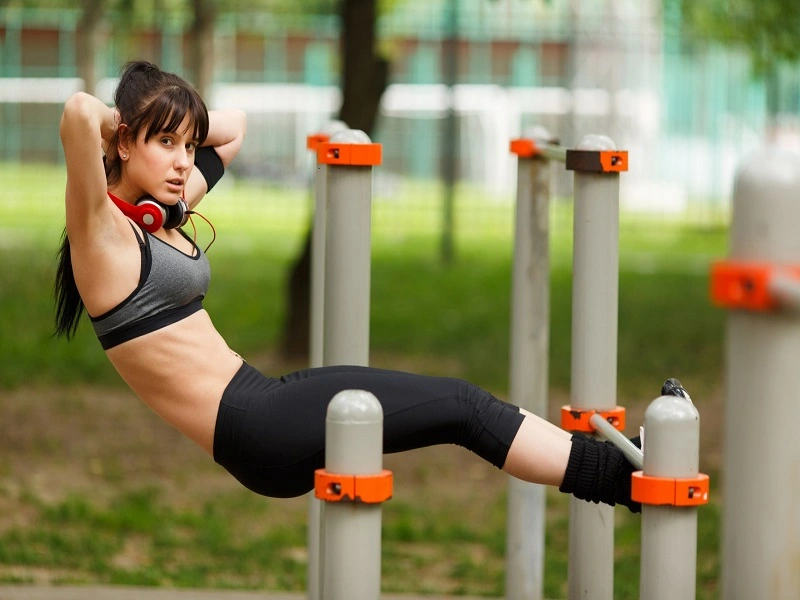
Embracing Fitness: A Journey Beyond Labels
As a fitness editor, I work out six times a week. I lift weights, run, practice yoga, and experiment with the latest fitness trends. My job is to stay informed, try new workouts, and write about the best ways to stay fit and healthy. Yet, despite my dedication, I still struggle to call myself ‘sporty.’ This paradox is not uncommon among women, even those deeply involved in the fitness industry. This blog explores why many women hesitate to identify as 'sporty,' the cultural and psychological factors at play, and how we can redefine what it means to be an athlete.
The ‘Sporty’ Identity Crisis
The Societal Perception of 'Sporty'
The term ‘sporty’ often conjures images of people who are not just fit but exceptionally athletic. Think of competitive athletes, marathon runners, or those who excel in team sports. This narrow definition excludes many who engage in regular exercise but do not see themselves on the same level as professional or competitive athletes.
For many women, being ‘sporty’ has specific connotations—often tied to being competitive, aggressive, or possessing a certain physique. These stereotypes can be discouraging and make it difficult for women to see themselves as fitting the label, even if they work out regularly.
Personal Experiences and Self-Perception
Despite my rigorous workout routine, I’ve often found myself hesitating to claim the ‘sporty’ label. This hesitation is rooted in past experiences and societal expectations. Growing up, I was not involved in competitive sports. I was more of a bookworm than a jock, and this identity stuck with me into adulthood. Even as I embraced fitness, the residual self-perception of being ‘non-sporty’ lingered.
Additionally, the fear of not measuring up to others’ expectations plays a significant role. The fitness world can be intimidating, with its emphasis on high performance and visible results. This environment can foster a sense of inadequacy, leading many to feel that unless they are excelling at the highest level, they cannot truly be ‘sporty.’
The Psychological Barriers
Imposter Syndrome
Imposter syndrome, the feeling of being a fraud despite evident success, is prevalent among women in various fields, including fitness. Many women feel that they do not belong in the realm of the ‘sporty’ because they perceive their achievements as not good enough compared to others. This syndrome can be a significant barrier to embracing a sporty identity.
Body Image and Self-Esteem
Body image issues also contribute to the reluctance to identify as sporty. The ideal ‘sporty’ body is often portrayed as lean, muscular, and flawless. Women who do not fit this ideal may feel excluded, even if they are active and healthy. This exclusion is exacerbated by social media, where images of ‘perfect’ bodies are omnipresent.
Cultural Influences
Cultural expectations play a significant role in shaping how women perceive themselves in the context of sports and fitness. In many cultures, women are traditionally not encouraged to be athletic or competitive. These cultural norms can persist into modern times, subtly influencing how women see their place in the world of sports.
Redefining ‘Sporty’
Expanding the Definition
To make the term ‘sporty’ more inclusive, we need to expand its definition. Being sporty should not be limited to elite athletic performance. It should encompass anyone who engages in physical activity with dedication and enthusiasm. Whether you are running marathons or doing yoga in your living room, you are sporty.
Celebrating Diverse Achievements
It’s important to celebrate all forms of physical activity and recognize the achievements of individuals at every level. Personal milestones, such as running your first 5K, mastering a yoga pose, or simply staying consistent with workouts, deserve recognition. These achievements contribute to a sporty identity, even if they do not involve competition or elite performance.
Promoting Body Positivity
Promoting body positivity is crucial in redefining what it means to be sporty. Fitness comes in all shapes and sizes, and a sporty body is any body that moves. By showcasing diverse body types and fitness journeys, we can challenge the narrow stereotypes and encourage more women to see themselves as sporty.
Encouraging Self-Acceptance
Encouraging self-acceptance involves recognizing and valuing one’s own efforts and progress. It’s about shifting the focus from external validation to internal fulfillment. This means celebrating your own fitness journey, irrespective of how it compares to others.
My Fitness Journey: Embracing the Sporty Identity
Finding My Own Definition
For years, I struggled with the term ‘sporty.’ I felt that my efforts in the gym and on the track didn’t qualify me for that label. However, I’ve come to realize that being sporty is not about meeting a specific standard but about the commitment to staying active and healthy.
I’ve learned to celebrate my own achievements, big and small. Completing a challenging workout, improving my strength, or simply feeling more energized are all victories. This shift in perspective has helped me embrace my sporty side.
Overcoming Psychological Barriers
Addressing imposter syndrome and body image issues has been a crucial part of my journey. I’ve worked on acknowledging my progress and understanding that my worth is not determined by how I compare to others. Therapy, self-reflection, and supportive communities have played significant roles in this process.
Building a Supportive Community
Connecting with other women who share similar experiences has been incredibly empowering. Whether through fitness classes, online communities, or social media groups, finding a supportive network has helped me stay motivated and confident in my sporty identity.
Continuing the Journey
Embracing the sporty identity is an ongoing journey. There are still days when doubts creep in, but I’ve learned to navigate them with a positive mindset and self-compassion. Fitness is a lifelong pursuit, and it’s important to enjoy the journey, not just the destination.
Tips for Embracing Your Sporty Side
Set Personal Goals
Setting personal fitness goals can help you stay motivated and give you a sense of achievement. These goals should be realistic and tailored to your own fitness level and interests. Whether it’s running a certain distance, lifting a specific weight, or practicing yoga regularly, having goals can reinforce your sporty identity.
Focus on Enjoyment
Find physical activities that you genuinely enjoy. When you enjoy what you’re doing, it doesn’t feel like a chore. This enjoyment can come from the activity itself, the sense of accomplishment, or the community you’re part of.
Track Your Progress
Keeping a fitness journal or using a fitness app can help you track your progress and celebrate your achievements. Seeing how far you’ve come can boost your confidence and reinforce your sporty identity.
Seek Out Role Models
Look for role models who embody a broad and inclusive definition of sporty. Follow athletes, fitness enthusiasts, and influencers who promote body positivity and diverse representations of fitness. Their journeys can inspire and motivate you.
Be Kind to Yourself
Self-compassion is crucial in any fitness journey. There will be setbacks and challenges, but it’s important to be kind to yourself. Acknowledge your efforts and progress, and don’t be too hard on yourself if things don’t go as planned.
Celebrate Your Achievements
No matter how small, celebrate your achievements. Each milestone is a step forward in your fitness journey. Share your successes with friends, family, or your fitness community to reinforce your sporty identity.
The Role of Media and Fitness Industry
Media Representation
The media plays a significant role in shaping perceptions of what it means to be sporty. By showcasing diverse body types, fitness levels, and athletic pursuits, the media can help redefine the term and make it more inclusive.
Fitness Industry Responsibility
The fitness industry also has a responsibility to promote inclusivity. This includes offering a wide range of fitness programs, celebrating diverse achievements, and creating a welcoming environment for everyone. Gyms, fitness studios, and online platforms should strive to make fitness accessible and enjoyable for all.
Positive Messaging
Promoting positive messaging around fitness is essential. This means focusing on the health benefits, enjoyment, and personal growth that come from physical activity, rather than just the aesthetic outcomes. Positive messaging can help more women feel empowered to embrace their sporty side.
Conclusion: Redefining Sporty for a New Generation
The journey to embracing a sporty identity is deeply personal and often fraught with societal and psychological challenges. As a fitness editor who works out six times a week, I've experienced these challenges firsthand. However, by expanding the definition of sporty, celebrating diverse achievements, promoting body positivity, and fostering self-acceptance, we can redefine what it means to be an athlete.
Fitness is not about fitting a specific mold; it's about finding joy in movement, setting personal goals, and celebrating progress. Whether you're lifting weights, running, practicing yoga, or dancing, you are sporty. By embracing this inclusive and empowering perspective, we can create a fitness culture where everyone feels valued and inspired.
So, the next time you lace up your running shoes, unroll your yoga mat, or hit the gym, remember that you are sporty. Your dedication, effort, and passion for fitness make you an athlete in your own right. Embrace it, celebrate it, and inspire others to do the same.